
Hand Surgery Biomechanical Lab
Research on anatomical variability and biomechanical relationships of the upper limb
Hand Surgey Biomechanical Lab is part of the Department of Anatomy and focuses on research into the anatomy, biomechanics, and functional relationships of the upper limb, particularly the hand, wrist, and elbow. The aim of the laboratory is to generate outputs that connect fundamental anatomical knowledge with the practical needs of clinical surgery.
Research focus
The laboratory focuses on three main areas that link anatomical knowledge with clinical practice.
Innovations
Research with an impact on diagnosis and surgical decision-making.
Current projects
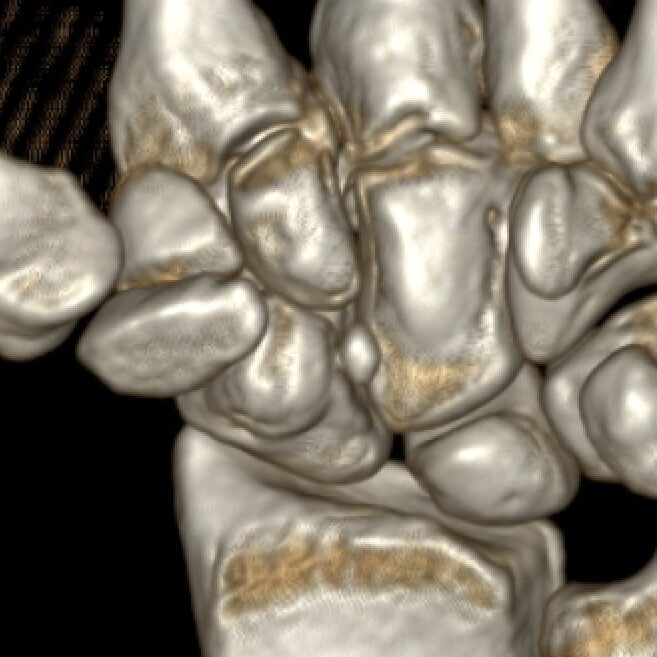
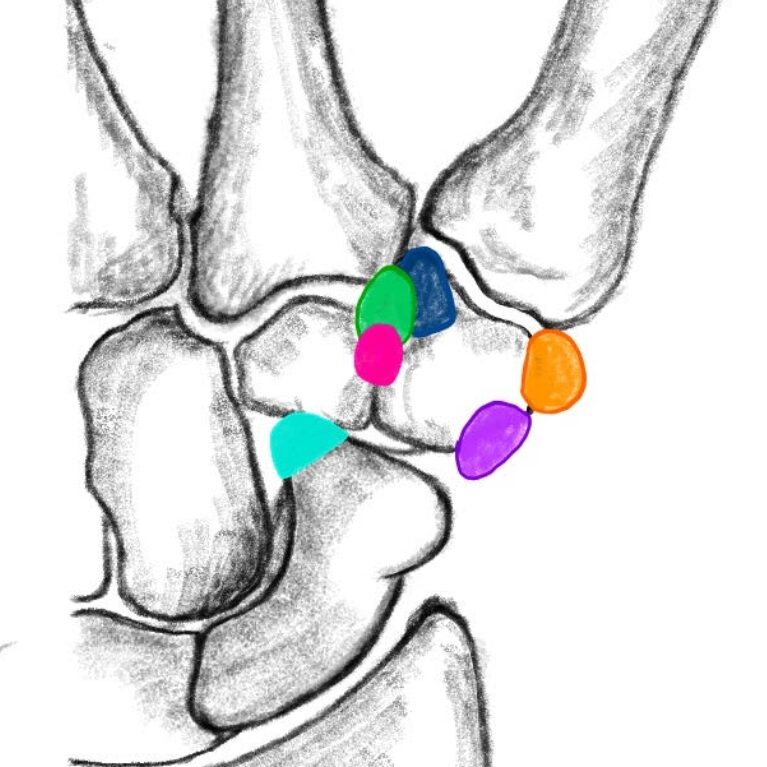
Accessory bones of hand and wrist
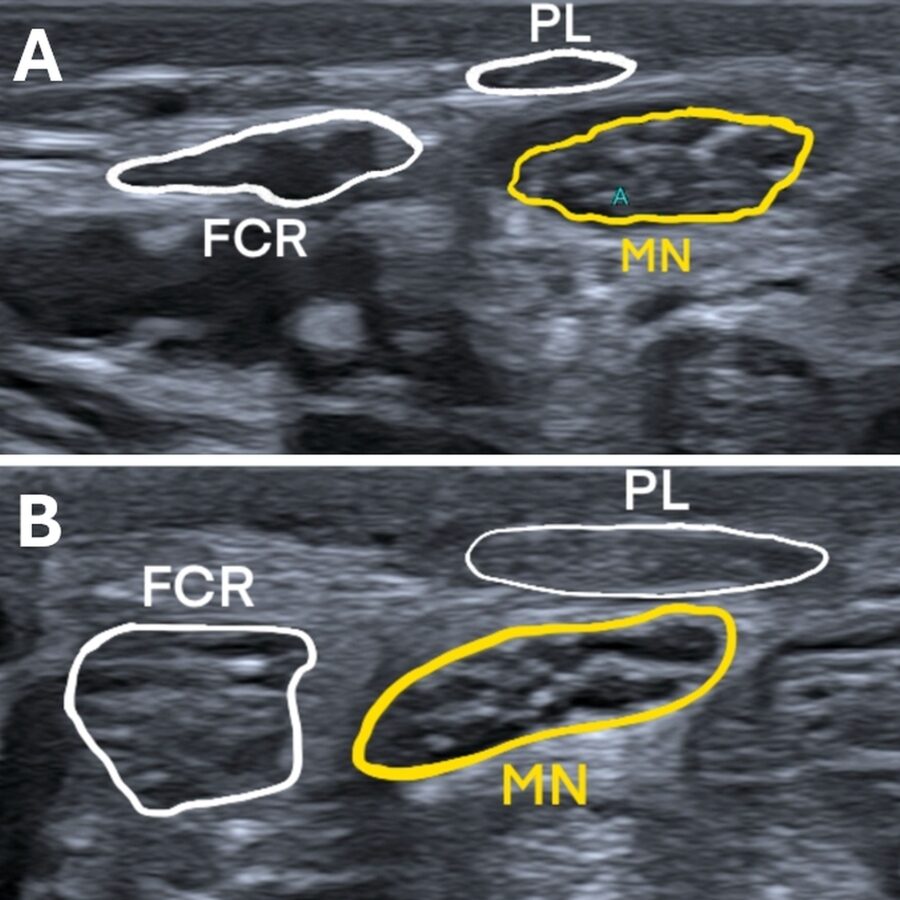
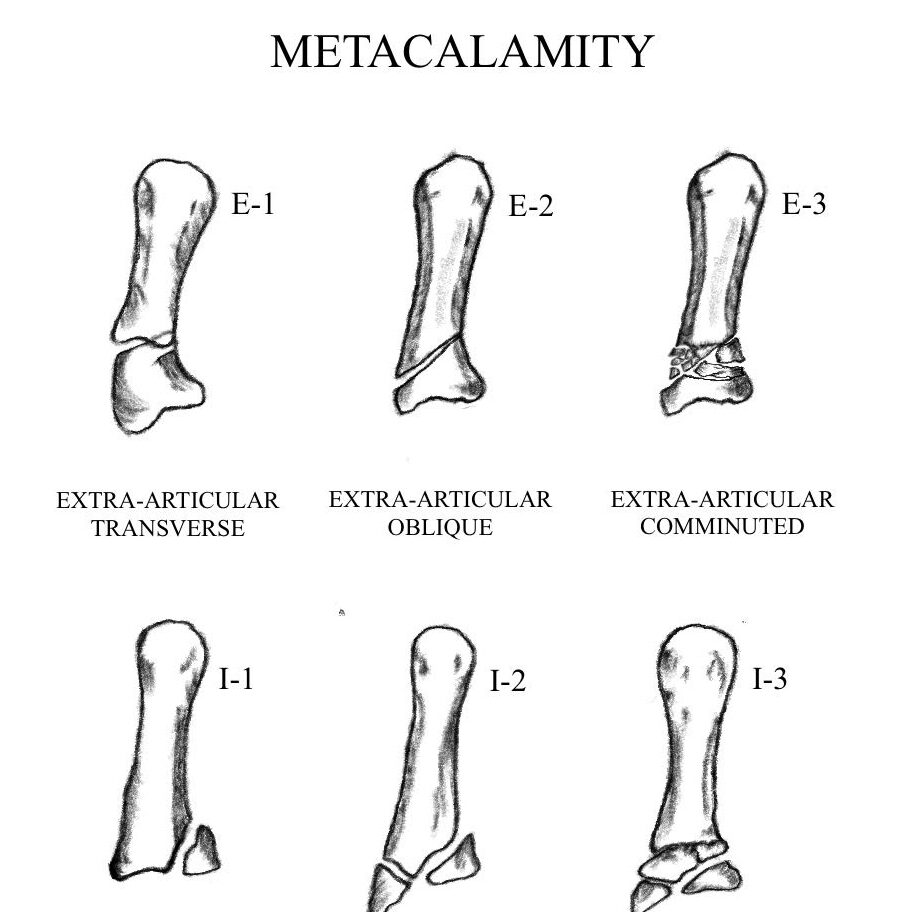
Dynamic anatomy
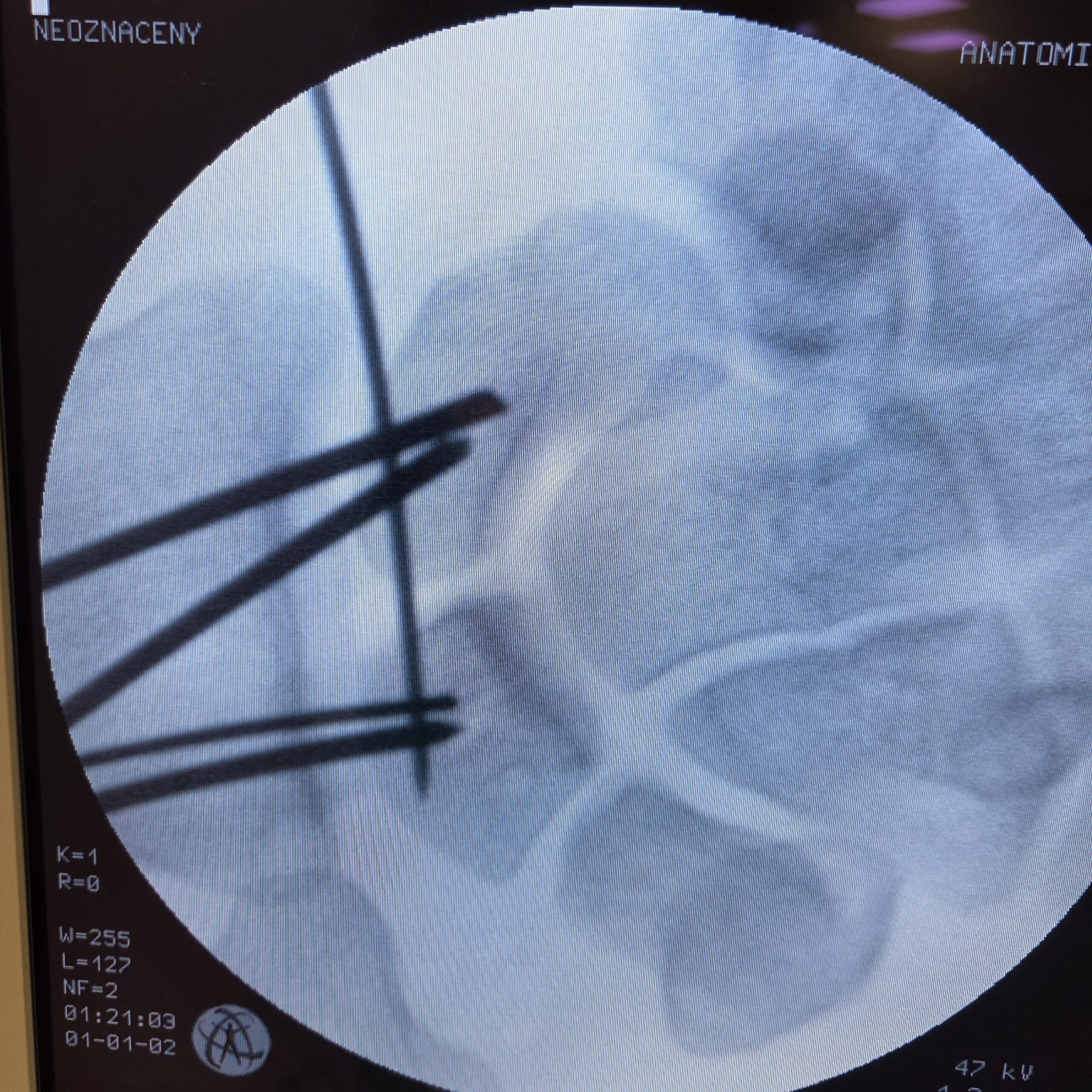
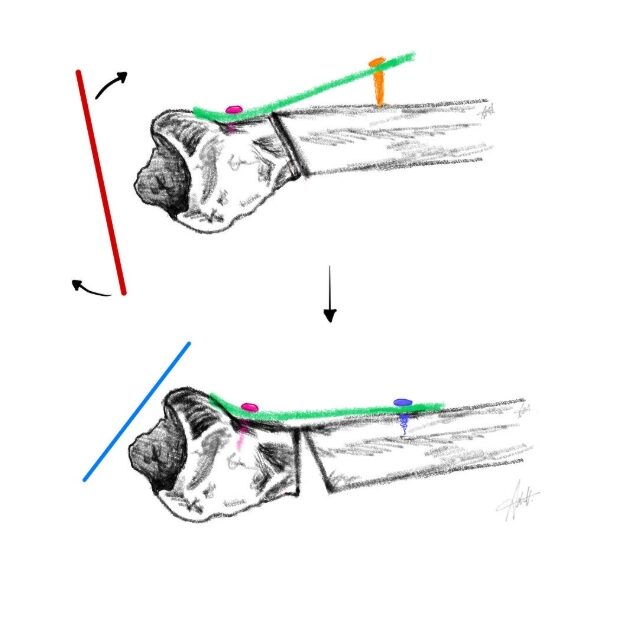
Biomechanics of arthrodeses
Why is this research important?
- Safer surgery
- More precise preoperative planning
- Better understanding of anatomical variability
- Direct impact on clinical decision-making.
Our scientific publications here
Collaboration
Are you interested in professional, research, or interdisciplinary collaboration? The laboratory is open to projects that connect anatomy, biomechanics, hand surgery, teaching, and clinical research.
Academic collaboration
Collaborative research projects, student theses, and publication activities.
Clinical collaboration
Topics with a direct impact on diagnosis, surgical decision-making, and clinical practice in the field of the upper limb.
Interdisciplinary collaboration
Projects at the interface of anatomy, biomechanics, imaging, technology, or education.
Contact us by e-mail: vojtech.kunc@lfmotol.cuni.cz
Research team
The laboratory brings together academic staff, PhD candidates, and students with an interest in anatomy, biomechanics, and clinically oriented research in hand surgery.
Head of the laboratory
MUDr. Vojtěch Kunc, Ph.D.
Ph.D. candidates
MUDr. Michal Beneš
MUDr. Judita Kamlerová
MUDr. Matouš Kroupa
Ing. Vojtěch Janeček
Research team:
Viktorie Adamcová
Nikola Horníková
Institutional support
Anatomical Department of 2 LF UK
Head of the department: Prof. MUDr. David Kachlík, Ph.D.
In collaboration: